
What Causes Back Pain During Pregnancy?
Hormonal changes, postural shifts, and weight gain all contribute to back discomfort for many expecting parents. As pregnancy progresses, ligaments naturally loosen to accommodate childbirth, but this can place extra stress on joints and the lower back. Changes in balance and posture can also strain the back, especially during the colder months in the city, when sidewalks may be icy and shoveling snow is common.
How Can Local Residents Safely Manage Back Pain at Home?
Gentle movement and body awareness can provide meaningful relief. For many area households, simple adjustments to daily habits can prevent back strain or ease discomfort. Safe home strategies include:
- Breaking up prolonged sitting with short walks, especially during snowy months when outdoor activity drops.
- Sleeping on one side with a pillow between the knees to promote alignment.
- Using supportive, low-heeled footwear, as boots and shoes with little support can worsen pain, especially in wet or slushy conditions.
- Applying heat packs to the lower back for 15-20 minutes at a time.
Residents should take care not to use heating pads on the abdomen and should always avoid electric blankets while sleeping. Movement can be challenging on icy streets, so consider room-temperature indoor walks or gentle stretching during winter.
Are There Safe Exercises To Help Relieve Back Pain?
Low-impact exercises keep muscles strong and flexible, easing pressure on the lower back. Activities like prenatal yoga or water aerobics help build core strength and promote flexibility with minimal risk of falls—a particular concern given slippery surfaces in the city during winter and early spring.
Common gentle exercises include:
- Pelvic tilts: Lying on your back with knees bent, gently flatten the lower back against the floor.
- Cat-cow stretches: On hands and knees, alternate arching and rounding your back.
- Wall sits: With your back against a wall, slowly lower into a sitting position for a few seconds.
Avoid exercises that involve lying flat on your back after the first trimester. Those with balance concerns might find using a sturdy chair for extra support helpful.
How Can Pregnancy Back Pain Affect Daily Activities in Urban Settings?
Daily urban tasks—carrying groceries, climbing stairs in multi-family homes, or navigating uneven sidewalks—can worsen pain if done incorrectly. Lighten loads and ask others to assist with heavy shoveling, especially during winter. Choosing backpacks or tote bags that distribute weight evenly across the body can help.
Household chores can be modified for comfort:
- Use a step stool rather than stretching or twisting for high shelves.
- Take frequent breaks during activities like vacuuming, cleaning, or decorating.
- Position items between waist and chest height to reduce bending or lifting.
When Should Residents Seek Medical Attention for Back Pain?
While mild to moderate discomfort is typical, severe or sudden pain requires medical review. Warning signs that warrant contacting a healthcare provider include:
- Numbness, weakness, or shooting pain down the legs
- Severe, unrelenting pain not relieved by rest
- Pain accompanied by fever or changes in bladder or bowel habits

Local clinics and medical centers can advise on safe next steps. Residents should always seek prompt evaluation if unsure, especially with falls or injuries during icy weather.
Can Posture and Ergonomics Make a Difference?
Attention to posture and home ergonomics can prevent and relieve back pain. When sitting, feet should be flat on the floor with knees at hip level, using a small cushion behind the lower back if needed. At work or home desks, regular posture checks help reduce strain during long periods at a computer or while crafting, reading, or watching television—common wintertime activities.
Consider these adjustments:
- Arrange commonly used items within easy reach.
- Adjust chair height so that eyes line up with the top third of a computer screen.
- Alternate between sitting and standing if possible, using a counter or standing desk.
Are Chiropractic Adjustments Safe During Pregnancy?
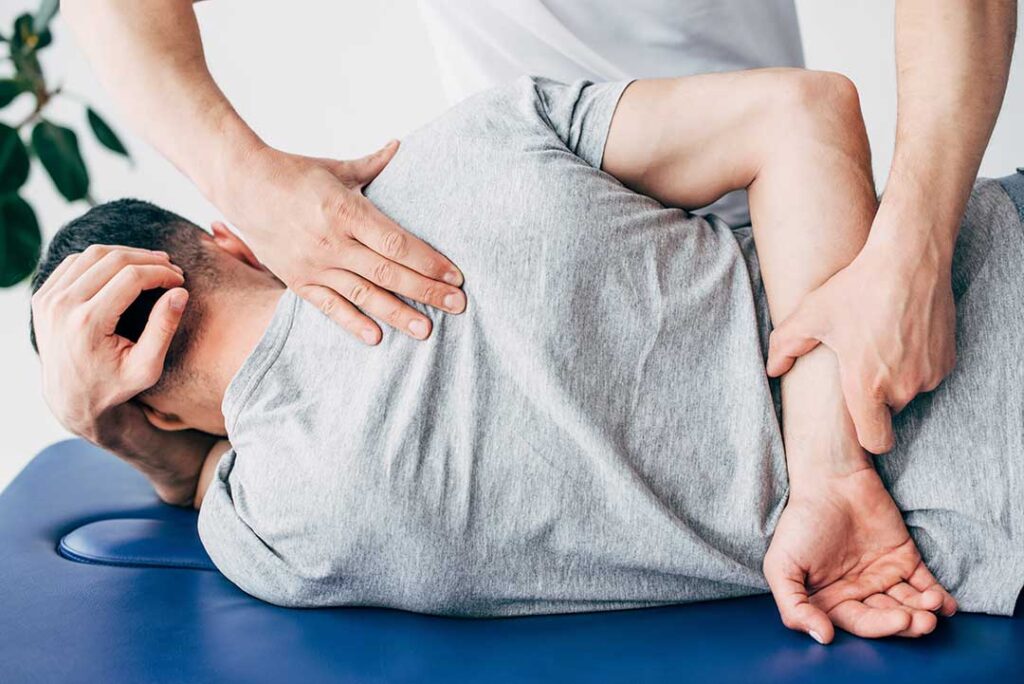
Many residents wonder about chiropractic care during pregnancy. While some gentle chiropractic techniques may be considered safe, especially for pelvic alignment and back discomfort, it’s essential to seek providers experienced in caring for pregnant patients. Discuss options with a primary care provider or obstetrician before pursuing any form of manual therapy, particularly in high-risk pregnancies or when other medical conditions are present.
What Other Approaches Can Support Comfort?
Beyond exercise and ergonomics, several lifestyle habits can support spinal comfort:
- Staying hydrated, as dehydration may worsen muscle cramps
- Eating balanced meals to minimize unnecessary weight gain
- Wearing a maternity support belt for added stability while walking or standing for long periods
Mindful relaxation and stress-reduction techniques, such as guided breathing or meditation, can also help muscles relax, which may aid back pain relief.
Adjusting routines to Rome’s seasonal changes—like prioritizing safe indoor movement during harsh winter weather and planning outdoor walks during milder seasons—offers comfortable options for ongoing relief.
