

Premenstrual syndrome, or PMS, can involve cramps, low-back discomfort, headaches, bloating, breast tenderness, fatigue, sleep changes, irritability, anxiety, and food cravings. Chiropractic adjustments may help some people manage musculoskeletal discomfort that occurs around the menstrual cycle, but current evidence does not show that spinal manipulation treats the hormonal or emotional causes of PMS itself. ([acog.org](https://www.acog.org/womens-health/faqs/Premenstrual-Syndrome?utm_source=openai))
Could a chiropractic adjustment reduce PMS discomfort?
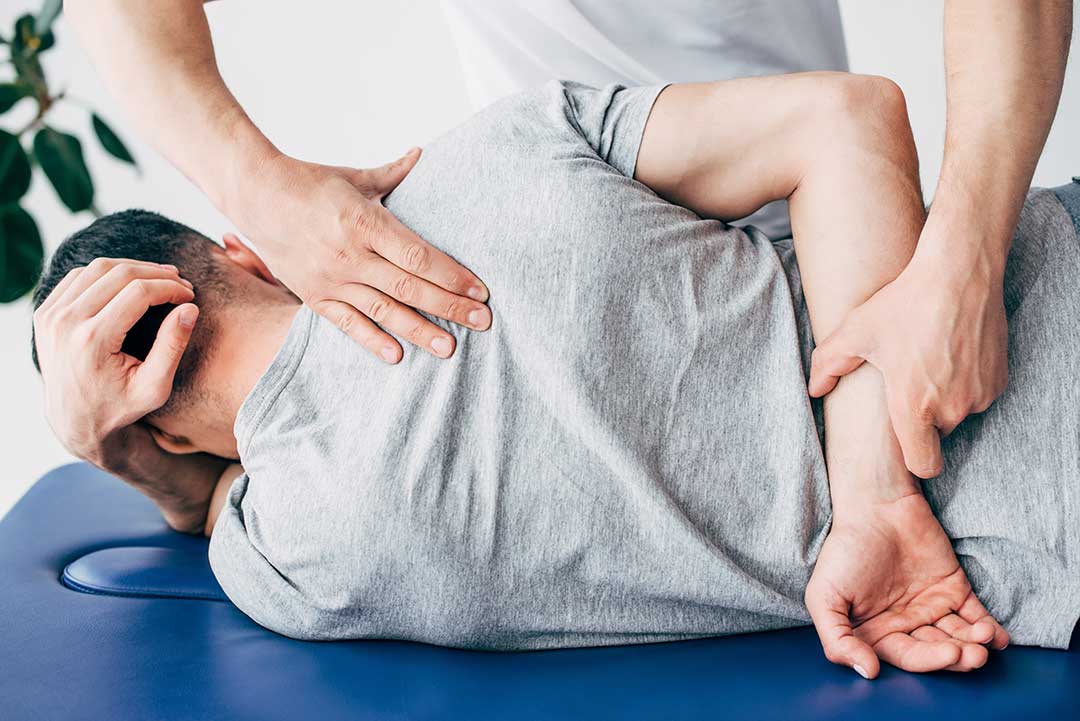
Possibly, but the expected benefit is limited to certain types of pain. An adjustment may be relevant when PMS coincides with tight back muscles, restricted movement, posture-related discomfort, or pain that extends into the hips or buttocks. In those situations, care directed at the spine and surrounding muscles may make movement more comfortable.
That is different from treating PMS as a whole. PMS is linked to sensitivity to normal hormonal changes during the menstrual cycle. An adjustment does not regulate estrogen or progesterone, stop ovulation, reduce fluid retention, or directly treat mood symptoms such as depression or severe irritability. The National Center for Complementary and Integrative Health reports that high-quality research on spinal manipulation for non-musculoskeletal conditions, including menstrual cramps, is limited and has not shown a clear benefit. ([nccih.nih.gov](https://www.nccih.nih.gov/health/spinal-manipulation-what-you-need-to-know?6df6a1c6_page=3&utm_source=openai))
What symptoms might be connected to the back or pelvis?
Menstrual discomfort can be felt in the lower abdomen, lower back, hips, or upper legs. Some people also brace their abdominal and back muscles when cramps begin, which can add muscle soreness or stiffness. Sitting for long periods, reduced activity during painful days, or shoveling and other seasonal tasks common in a snow-prone community can further aggravate the back.
A chiropractic evaluation may help distinguish between:
- Musculoskeletal low-back or hip pain that happens to occur before a period
- Typical menstrual cramping
- Pain that may reflect another gynecologic condition
- Nerve-related symptoms, such as tingling, numbness, or weakness
That distinction matters because an adjustment may be more appropriate for a mechanical back problem than for pelvic pain caused by endometriosis, fibroids, ovarian conditions, or another medical issue.
Does chiropractic care help bloating, breast tenderness, or mood changes?
There is no strong evidence that chiropractic adjustments reliably improve bloating, breast tenderness, food cravings, depression, anxiety, or other hormone-related PMS symptoms. These symptoms generally require a broader plan based on their timing, severity, and effect on daily life.
Evidence-based options may include regular aerobic activity, adequate sleep, stress-management practices, dietary adjustments, and medication when appropriate. The American College of Obstetricians and Gynecologists lists exercise, relaxation methods, dietary changes, nonsteroidal anti-inflammatory drugs, hormonal birth control, and certain antidepressants among possible approaches, depending on the symptoms and their severity. ([acog.org](https://www.acog.org/womens-health/faqs/Premenstrual-Syndrome?utm_source=openai))
For someone whose main complaint is back stiffness before menstruation, gentle walking, stretching, heat, and a gradual return to normal activity may be useful. For someone whose main complaint is severe mood change or disabling cramps, chiropractic care should not replace evaluation by a primary care clinician or gynecologic provider.
How can residents track whether an adjustment is helping?
A symptom diary is more useful than relying on memory. Record symptoms for at least two menstrual cycles, including:
- The first day of bleeding
- When back, hip, or pelvic pain begins
- Pain intensity and location
- Sleep, stress, activity, and work demands
- Whether an adjustment, stretching, heat, or medication changed the symptoms
- Whether symptoms disappear after menstruation begins
PMS generally follows a predictable pattern and improves after the period starts. A diary can show whether the problem is truly cycle-related or whether back pain is continuing throughout the month. It can also help separate a repeatable response from a one-time improvement. ([mayoclinic.org](https://www.mayoclinic.org/diseases-conditions/premenstrual-syndrome/diagnosis-treatment/drc-20376787?_escaped_fragment_=&p=1&utm_source=openai))
Are chiropractic adjustments safe during PMS?
For many adults, spinal manipulation is associated mainly with temporary soreness, stiffness, or headache. However, safety depends on the person’s health history, the technique used, and the body region being treated. A careful evaluation should include current symptoms, medications, pregnancy possibility, osteoporosis risk, prior injuries, and signs of nerve or systemic illness.
Pain that is severe, rapidly worsening, associated with fainting, fever, unusual bleeding, pregnancy, new weakness, loss of bladder or bowel control, or numbness in the groin area requires medical assessment rather than routine manipulation.
It is also reasonable to avoid forceful treatment over an area that is acutely inflamed or extremely tender. A person should be able to describe the goal of care and understand what symptoms would require referral for further evaluation.
When might PMS actually be PMDD or another condition?
PMS can be uncomfortable, but symptoms that repeatedly interfere with work, school, relationships, or basic activities deserve a more detailed assessment. Premenstrual dysphoric disorder, or PMDD, is a more severe condition involving prominent mood symptoms such as hopelessness, marked irritability, anxiety, or major mood swings along with physical symptoms. ([mayoclinic.org](https://www.mayoclinic.org/diseases-conditions/premenstrual-syndrome/expert-answers/pmdd/faq-20058315?utm_source=openai))
Severe period pain is not always ordinary PMS. Endometriosis, adenomyosis, fibroids, ovarian cysts, thyroid disorders, depression, and anxiety can produce symptoms that overlap with premenstrual complaints. Health professionals may use symptom tracking, a physical examination, and selected tests to look for these possibilities. ([mayoclinic.org](https://www.mayoclinic.org/diseases-conditions/premenstrual-syndrome/diagnosis-treatment/drc-20376787?_escaped_fragment_=&p=1&utm_source=openai))
Any thoughts of self-harm, feeling unsafe, or severe depression require immediate mental-health support or emergency assistance.
What is a reasonable role for chiropractic care?
The most balanced view is that chiropractic care may be considered as a complementary option for associated back, hip, or muscle discomfort, particularly when the symptoms behave like a musculoskeletal problem. It should not be presented as a proven treatment for PMS itself, and it should not delay care for significant menstrual pain, abnormal bleeding, or severe mood symptoms.
For local residents managing symptoms through long winters, indoor sitting, reduced outdoor activity, and seasonal household work, maintaining comfortable movement throughout the month may help reduce secondary back stiffness. The central question is not whether an adjustment can “fix” PMS, but whether a specific musculoskeletal problem is present and whether a conservative approach improves function without overlooking a medical cause.
