
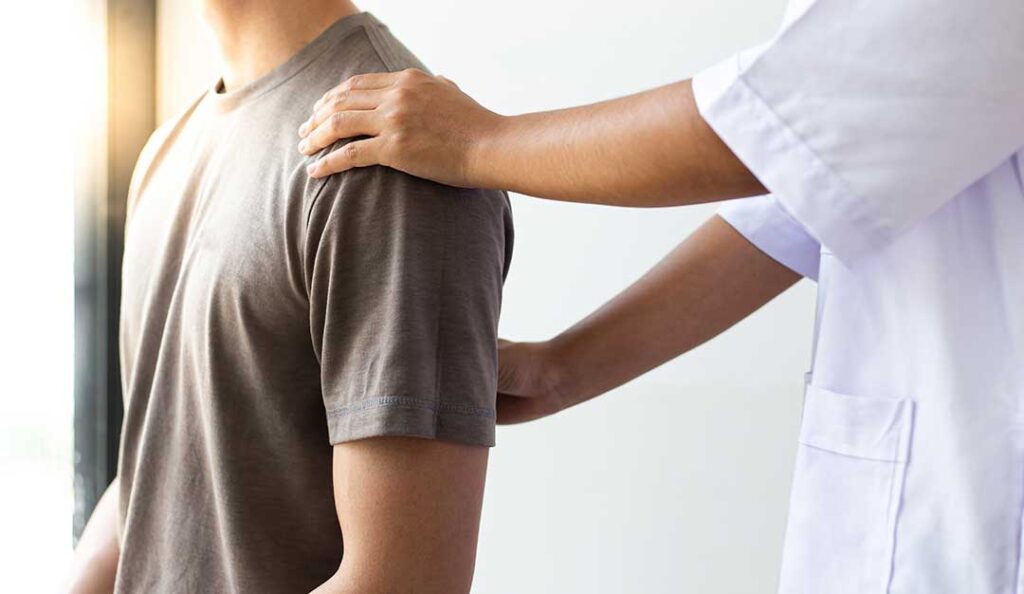
As a trusted chiropractor in Rome, NY, I regularly see the effects of poor ergonomics on the health and well-being of students and children. Whether you’re preparing your child for another school year at Rome Free Academy or navigating online classes at home, their daily posture and study habits can have a lasting impact. Let’s explore practical ergonomic tips to help your child thrive—both in the classroom and in your Rome, NY home.
Why Ergonomics Matter for Students
Children are spending more time than ever at desks, using laptops, and carrying backpacks filled with heavy books. Rome, NY students are no exception—between homework, extracurriculars, and time on tablets, their bodies are often stressed in ways that can lead to discomfort or even injury. Common complaints like headaches, backaches, and tiredness can all be linked to poor ergonomics. Early intervention helps prevent chronic issues that could persist into adulthood.
Ideal Desk Setup at Home
Whether your child is studying in a kitchen nook on North James Street or in their own room in Lake Delta, setting up an ergonomic workspace is crucial.
- Desk Height: The desk or table surface should allow elbows to bend at about a 90-degree angle, with forearms parallel to the floor.
- Chair Support: Use a chair that supports the lower back. For smaller kids, place a cushion or rolled-up towel at the lower back for extra comfort.
- Feet Position: Children’s feet should rest flat on the floor. If their feet don’t reach, use a footrest or a sturdy box.
- Monitor Placement: Computer screens should be at eye level, about an arm’s length away. This prevents neck strain and encourages better posture.
- Lighting: Ensure the study area is well-lit, preferably with natural light to reduce eye strain—something easy to achieve during the bright Rome summers!
Backpack Safety Strategies
Many Rome students walk to school or catch the bus, and their backpacks can become excessively heavy. Poor carrying habits can contribute to postural problems.
- Choose the Right Backpack: Pick a backpack with padded straps, a padded back, and multiple compartments. Avoid single-strap messenger bags for heavy loads.
- Correct Fit: Straps should rest comfortably on both shoulders—not just one—and the backpack should sit snugly against the child’s back.
- Weight Limits: Backpacks should be no more than 10-15% of the child’s body weight.
- Pack Smart: Place heavier items closer to the back and distribute weight evenly.
Encouraging Good Posture at School
It’s not just about the physical environment—developing healthy habits is essential. Teachers in Rome, NY classrooms often encourage students to sit upright, but kids may need reminders at home.
- Sit All the Way Back: Encourage your child to sit with their back touching the chair and feet flat on the ground.
- Shoulders Relaxed: Remind them to keep their shoulders down and relaxed, not hunched.
- Screen Time Breaks: Follow the 20-20-20 rule: every 20 minutes, look at something 20 feet away for 20 seconds to reduce eye strain.
Movement and Stretching
Children in Oneida County are active—whether it’s at municipal parks, Little League games, or ice skating in the winter. But when it comes to study time, prolonged sitting can quickly become a problem.
- Built-In Breaks: Every 30 minutes, encourage your child to stand, stretch, or walk around. A quick trip outside to see the Rome clocktower or a walk in Fort Stanwix Park can do wonders!
- Simple Stretches: Teach kids a few easy stretches for their neck, arms, and back. Gentle shoulder rolls, overhead reaches, and twisting at the waist can all help counteract sitting stiffness.
Healthy Habits for Digital Learning
Remote learning and screen use are common, especially during snowy Upstate winters. Help your Rome, NY student stay ergonomically healthy with these digital tips:
- Blue Light Protection: Use blue light filters or glasses to reduce eye strain.
- Voice Technology: Encourage using voice commands or dictation to limit repetitive typing.
- Limit Device Use: Create tech-free times for outdoor play—maybe exploring Griffiss Park or attending community events.
Setting an Example
Kids notice more than we think. If you work from home or spend time on your computer, demonstrate good ergonomic habits. Sit with good posture, take breaks, and stretch together. The family-oriented lifestyle in Rome, NY means these habits can be built into everyday routines.
When to Seek Professional Advice
Even with the best ergonomic setup, some students may develop aches or pains. If your child complains of persistent back, neck, or shoulder discomfort, consult a healthcare professional. Early assessment from a chiropractor can prevent minor aches from turning into bigger problems.
Local Resources in Rome, NY
- Public Parks: Take advantage of Rome’s many parks for activity breaks.
- Local Sports Programs: Sign up for rec leagues that encourage movement.
- Community Workshops: Keep an eye out for local library or school events focusing on health and posture education.
Conclusion
Prioritizing ergonomics for your student doesn’t have to be overwhelming. With a few adjustments and a focus on movement, Rome, NY parents can set their children up for success—physically and academically. If you need guidance on creating a comfortable study space or assessing your child’s posture, reach out to a qualified local chiropractor for advice tailored to our community’s needs.
